
What would you like to search for?

Froot Loops, Legos, and Self-Assembly

2021-07-14T11:15:04-06:00
02/2019
Supporting Image
Supporting Image
Forming nanostructures

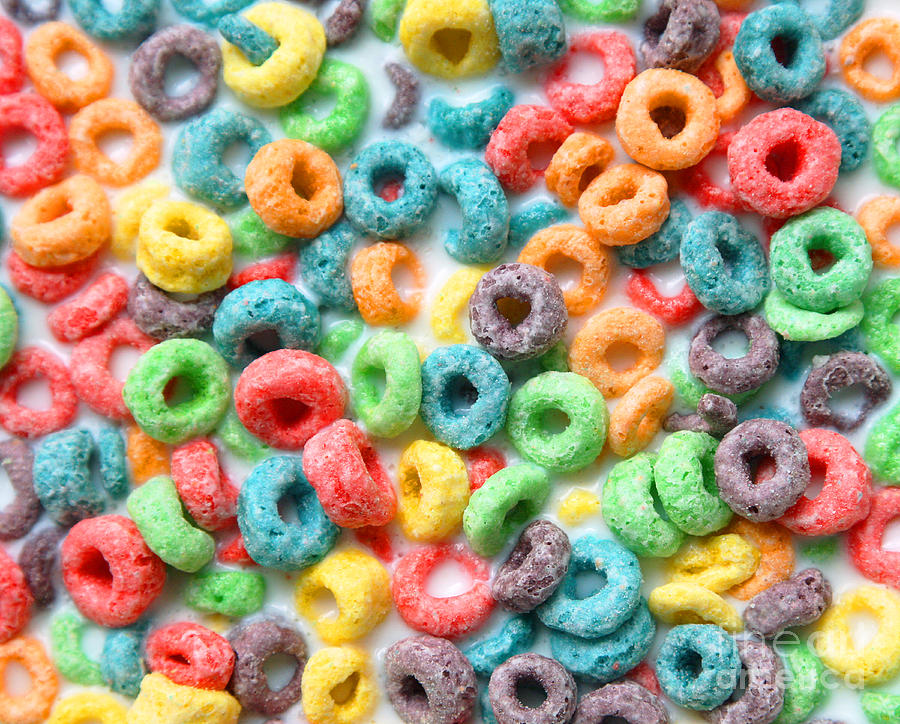
Self-assembly is the process by which individual building blocks—at the smallest level, atoms—spontaneously form larger structures. The structures they form depend on the size and shape of the building blocks, and on the conditions to which these building blocks are exposed. This can be demonstrated quite simply using breakfast cereal, or for more complex cases using specially prepared Legos.

0 0    
Froot Loops, Legos, and Self-Assembly2021-07-14T11:15:04-06:00

Polymers at Play: Make your own Silly Putty!

2025-10-30T13:25:04-06:00
08/2025
Supporting Image
Supporting Image
Silly Putty, serious science

There is some serious science behind Silly Putty! This classic toy gets its unique properties from materials you can find around your house or at the grocery store. Click to learn how you can make your own Silly Putty at home and try some fun experiments to investigate its properties!

0 0    
Polymers at Play: Make your own Silly Putty!2025-10-30T13:25:04-06:00

Flubber and flow

2025-10-30T13:24:42-06:00
10/2025
Supporting Image
Supporting Image
Modeling glaciers
by Justin Burton, Alex Vargas

Glaciers have shaped the face of our planet for millennia, developing over hundreds and thousands of years as layers of snow compress into solid ice. Or IS it . . . ? Click to learn how glaciers actually flow like a liquid, and how the surprisingly similar physics of Flubber can build our intuition for how real glaciers behave.

0 0    
Flubber and flow2025-10-30T13:24:42-06:00

Use Light to Turn Your World Upside-Down!

2021-07-14T11:17:45-06:00
02/2016
Supporting Image
Supporting Image
Making upside-down images

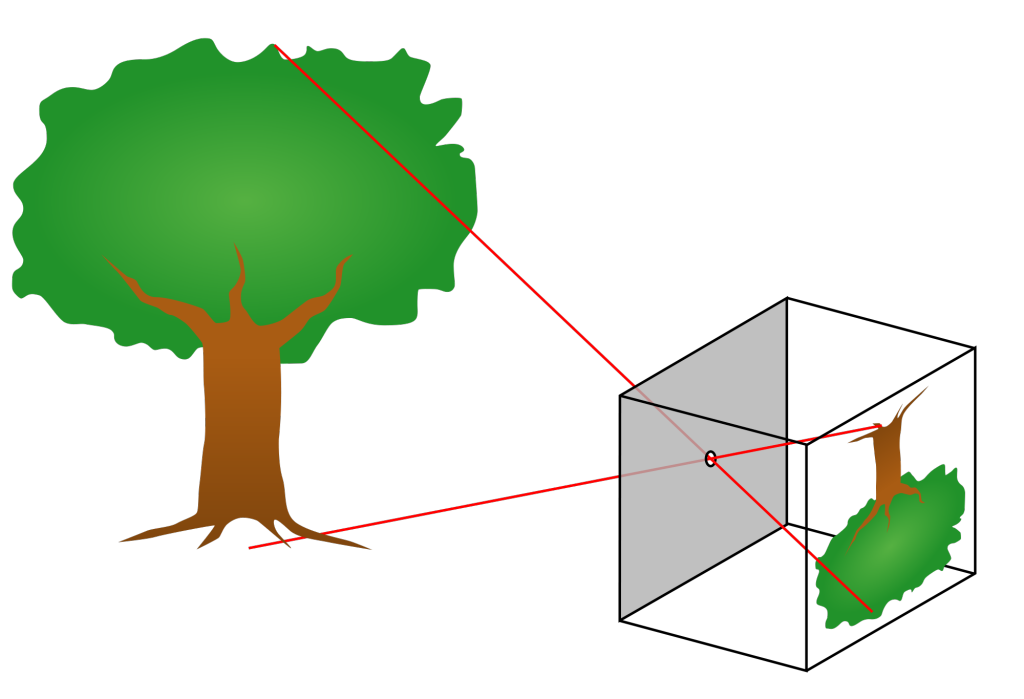
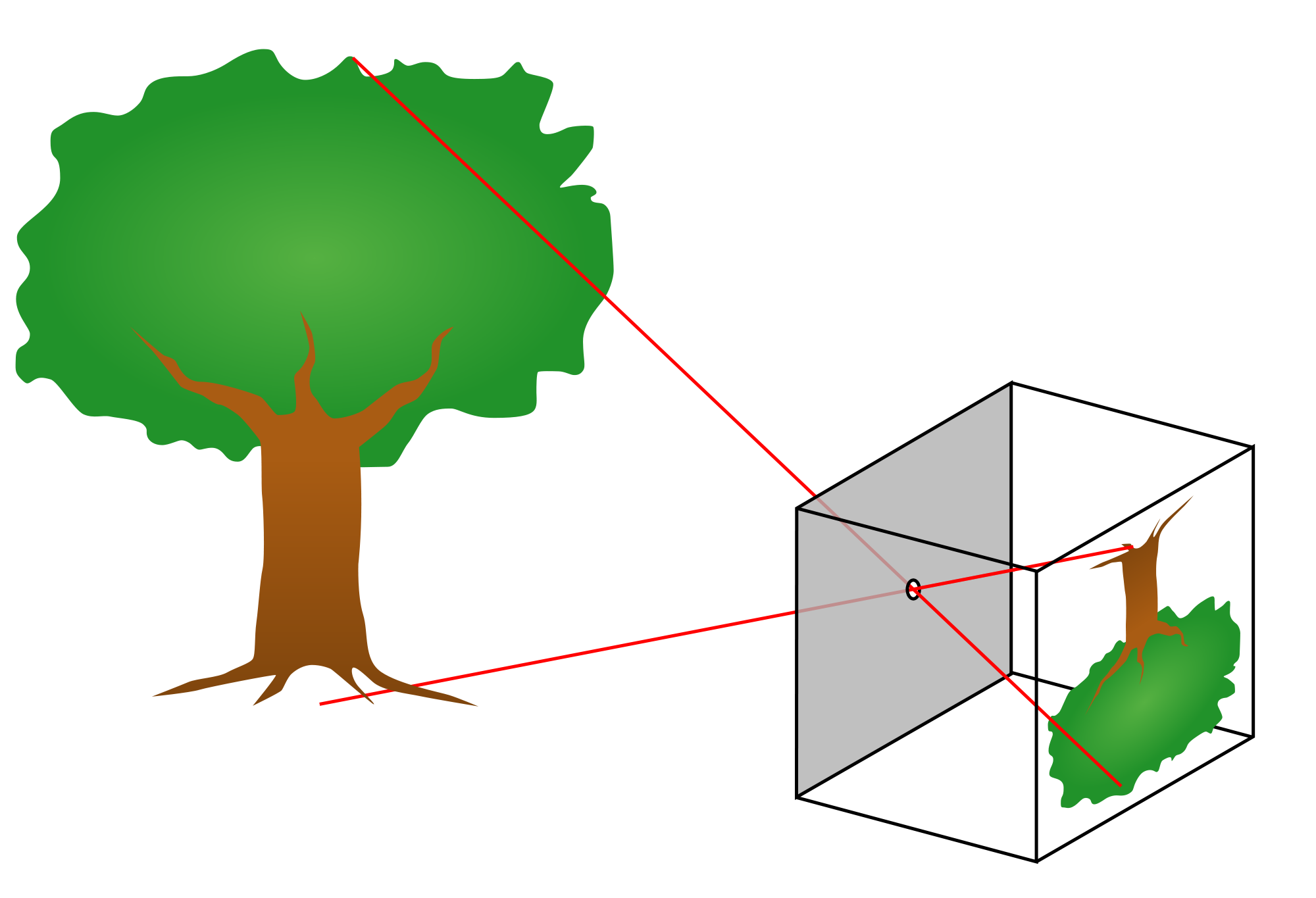
We can easily observe light with our eyes, and so it is one of the most familiar parts of the world around us. And yet, light often does amazing and unexpected things. Light travels in straight lines from the source to our eyes. This fact allows us to understand many of the cool things that light can do. In this lesson, we will observe how light creates mirages and shadows. And we will build a pinhole camera which makes things appear upside-down. We can understand the upside-down images by thinking about the straight line that the light took from the object to the screen.

0 0    
Use Light to Turn Your World Upside-Down!2021-07-14T11:17:45-06:00
Go to Top