
All the light we cannot see

2025-08-14T13:15:09-06:00
08/2025
Supporting Image
Supporting Image
Electromagnetic waves
by Shireen Adenwalla, Taylor Billington, Funsize Physics

Electromagnetic waves are the fundamental source of information about the universe, but only a tiny fraction of them are visible to the unaided eye. Fortunately, physicists have developed new ways to "see" outside the visible spectrum. Click to enter a universe BEYOND living color!

0 0    
All the light we cannot see2025-08-14T13:15:09-06:00

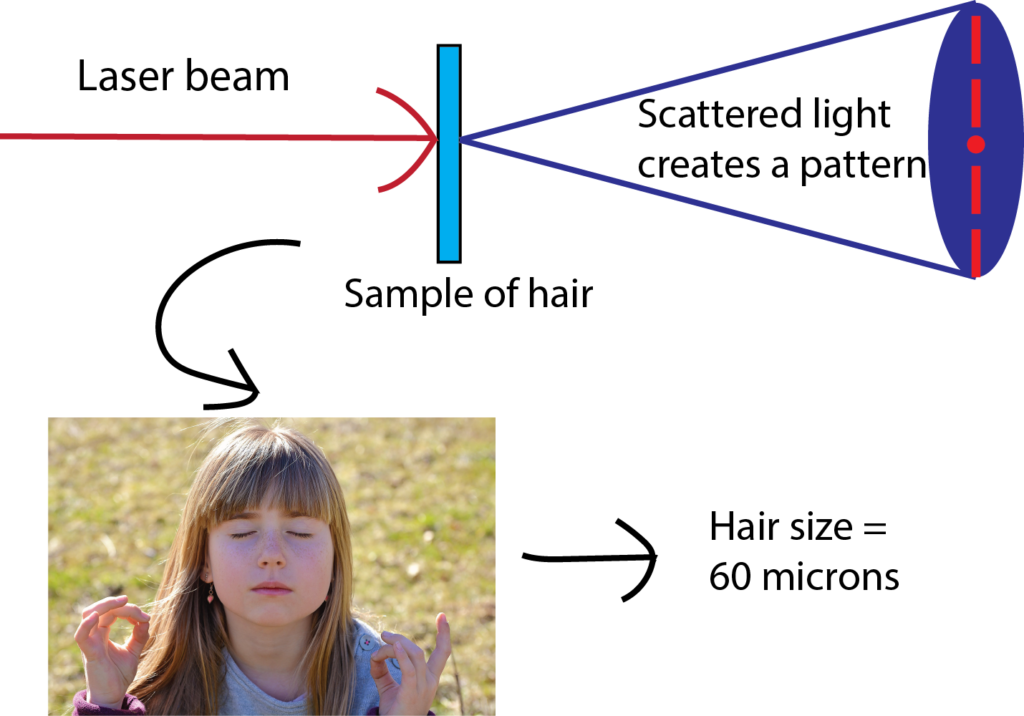
Use a laser pointer to measure the thickness of your hair!

2021-07-14T11:14:27-06:00
11/2020
Supporting Image
Supporting Image
Light scattering and diffraction

Have you ever wondered how scientists can accurately measure the size of very small objects like molecules, nanoparticles, and parts of cells? Scientists are continually finding new ways to do this, and one powerful tool they use is light scattering. When an incoming beam of light hits an object, the light "scatters," or breaks into separate streams that form different patterns depending on the size of the object. This incoming light might be visible light, like the light we see from the sun, or it might be higher-energy light like X-rays. The light from commercial laser pointers, it turns out, is perfectly suited to measure the size of a human hair!

0 0    
Use a laser pointer to measure the thickness of your hair!2021-07-14T11:14:27-06:00

Coloring INSIDE The Lines

2022-11-16T15:00:19-06:00
05/2020
Supporting Image
Supporting Image
The Visible Spectrum and Spectroscopes
by Wesley Sliger, Martin Centurion

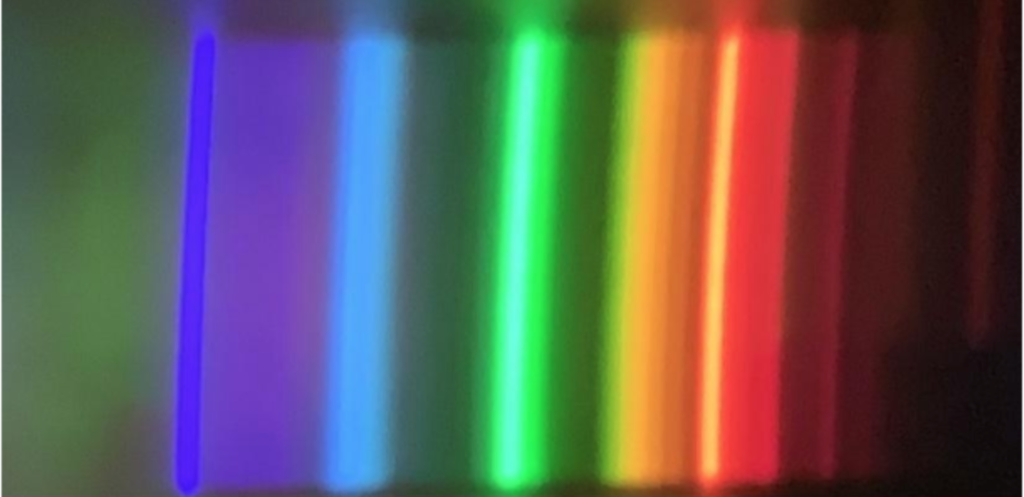
Have you ever wondered why shining light on a glass of water causes rainbows to appear? Or noticed the colors that reflect from a CD or DVD? In this lesson, you will make an instrument called a spectroscope that can separate light into its hidden components. You will also be able to use the spectroscope to understand why different colored objects and light sources appear the way they do.

0 0    
Coloring INSIDE The Lines2022-11-16T15:00:19-06:00

Use Light to Turn Your World Upside-Down!

2021-07-14T11:17:45-06:00
02/2016
Supporting Image
Supporting Image
Making upside-down images

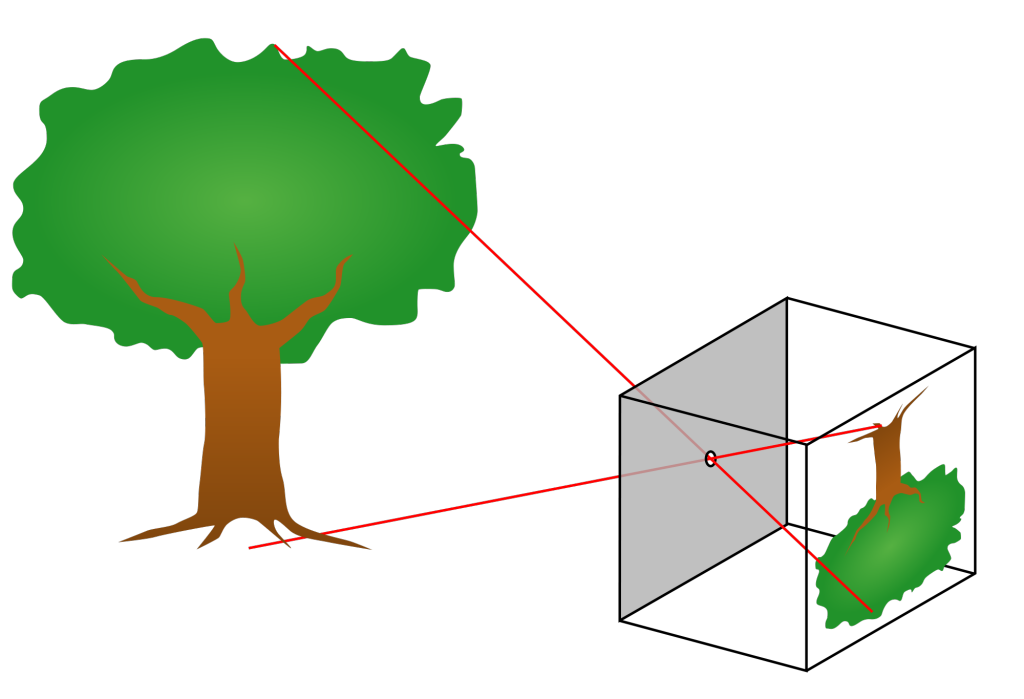
We can easily observe light with our eyes, and so it is one of the most familiar parts of the world around us. And yet, light often does amazing and unexpected things. Light travels in straight lines from the source to our eyes. This fact allows us to understand many of the cool things that light can do. In this lesson, we will observe how light creates mirages and shadows. And we will build a pinhole camera which makes things appear upside-down. We can understand the upside-down images by thinking about the straight line that the light took from the object to the screen.

0 0    
Use Light to Turn Your World Upside-Down!2021-07-14T11:17:45-06:00
Go to Top